How to Revive a Patchy or Thin Lawn with Fertilization
By Dr. Green Lawn | July 29, 2025
If your lawn looks patchy, thin, or tired, don’t worry—it’s a common issue for homeowners. The good news? Fertilization is one of the most effective ways to bring your grass back to life. With the right products and timing, you can restore your lawn’s thickness, color, and health. Here’s how to revive a patchy lawn with fertilizer.
1. Identify What’s Causing the Patches
Before applying any fertilizer, it’s important to figure out why your lawn is thinning in the first place. Common causes include:
-
Soil compaction
-
Pet damage or foot traffic
-
Poor drainage
-
Shade stress
-
Dull mower blades
-
Lack of nutrients
Fertilizing without identifying the root cause may lead to temporary improvement, but the patches will return.
2. Test Your Soil First
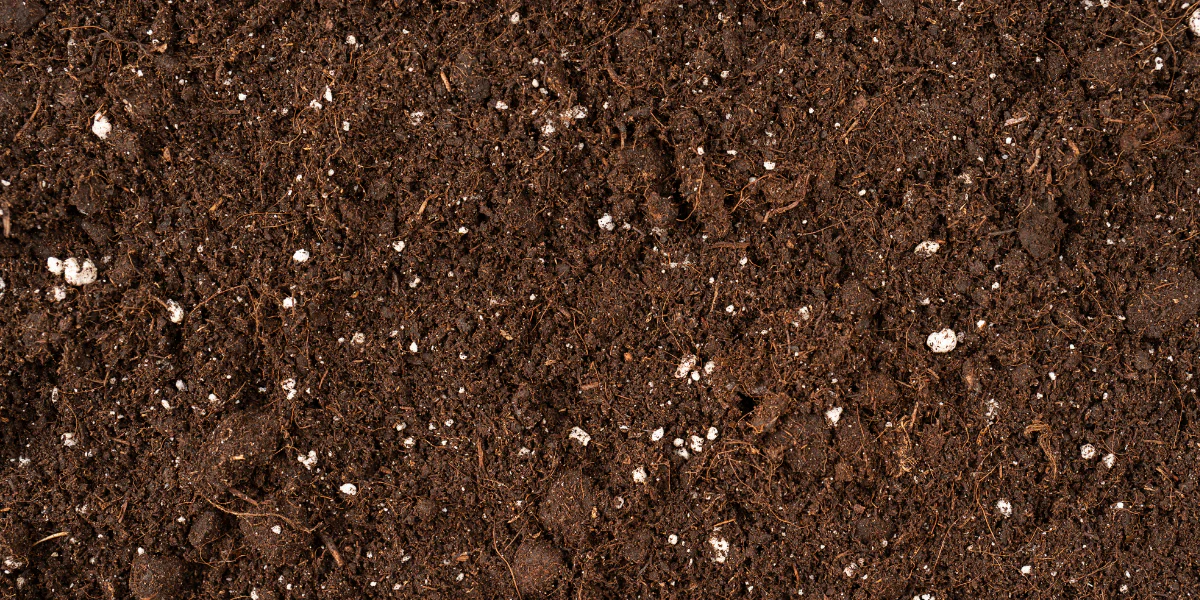
A simple soil test can reveal imbalances in pH and nutrient levels. Thin or yellowing grass often signals a lack of nitrogen, phosphorus, or potassium. Most local garden centers or lawn care professionals offer soil testing kits. Based on the results, you’ll know what type of fertilizer your lawn actually needs.
3. Choose the Right Fertilizer for Thin Grass
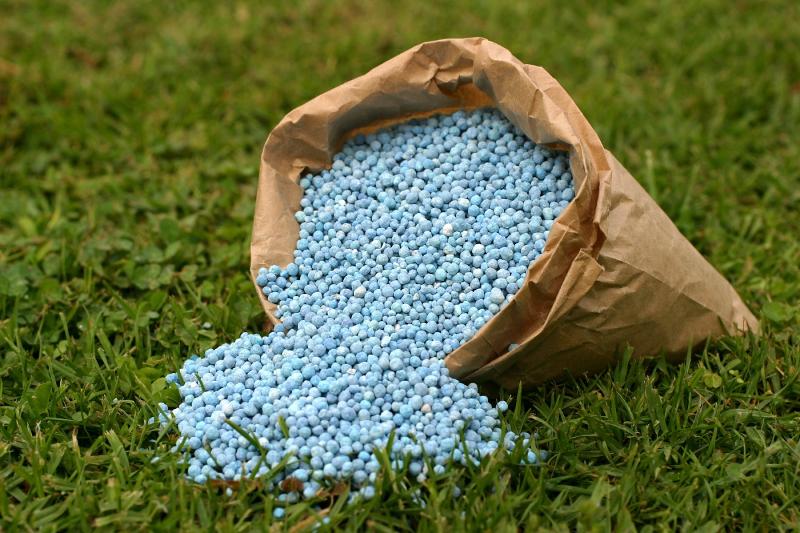
Not all fertilizers are created equal. For patchy or thin lawns, look for a nitrogen-rich fertilizer designed to promote blade growth and thickness. Consider a starter fertilizer if you’re also seeding bare spots. Balanced fertilizers with N-P-K ratios like 10-10-10 or 20-10-10 can help restore overall health.
4. Overseed for Better Coverage
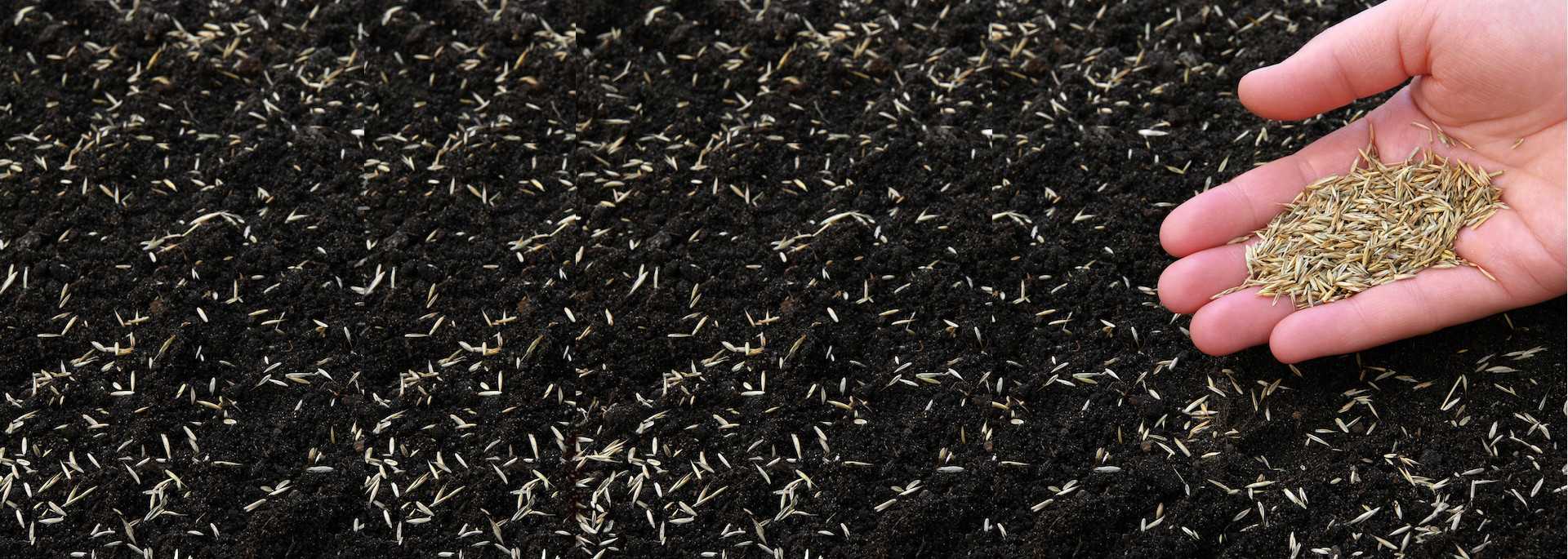
Fertilizer works even better when paired with overseeding. Spread grass seed evenly over bare or thin areas, especially during spring or early fall when conditions are ideal. Then apply fertilizer to help the new grass establish strong roots.
5. Time Your Fertilizing Correctly
Timing is everything. Fertilize during your lawn’s active growing season. For cool-season grasses, this means early spring and fall. For warm-season grasses, aim for late spring through early summer. Avoid fertilizing in extreme heat, as it can stress your lawn.
6. Water Deeply After Fertilizing
After applying fertilizer, water your lawn thoroughly. This helps nutrients soak into the soil and prevents burning. Keep the soil moist (but not soggy) for several days to encourage root development and seed germination if you’re overseeding.
7. Stick to a Lawn Care Schedule
One round of fertilizer might not be enough to completely restore a thin lawn. For best results, follow a fertilization schedule based on your grass type and region. Most lawns benefit from 3 to 5 applications per year.
8. Let a Professional Lawn Fertilizing Service Help
If you’re unsure which fertilizer to use or don’t have time to commit to a lawn care routine, hiring a professional grass fertilizing company can save you time and deliver better results. They’ll assess your lawn’s condition, apply the right nutrients, and keep your yard healthy year-round.
A Lush, Green Lawn Is Within Reach
Don’t give up on your patchy lawn—fertilization can work wonders when done correctly. With the right care, your yard can become thick, green, and healthy again. Start with a soil test, choose the right fertilizer, and follow up with proper watering and overseeding. If you need expert help, a local lawn fertilizing service can make the process effortless.
Contact us today to schedule a consultation and take the first step toward a gorgeous lawn you can be proud of.